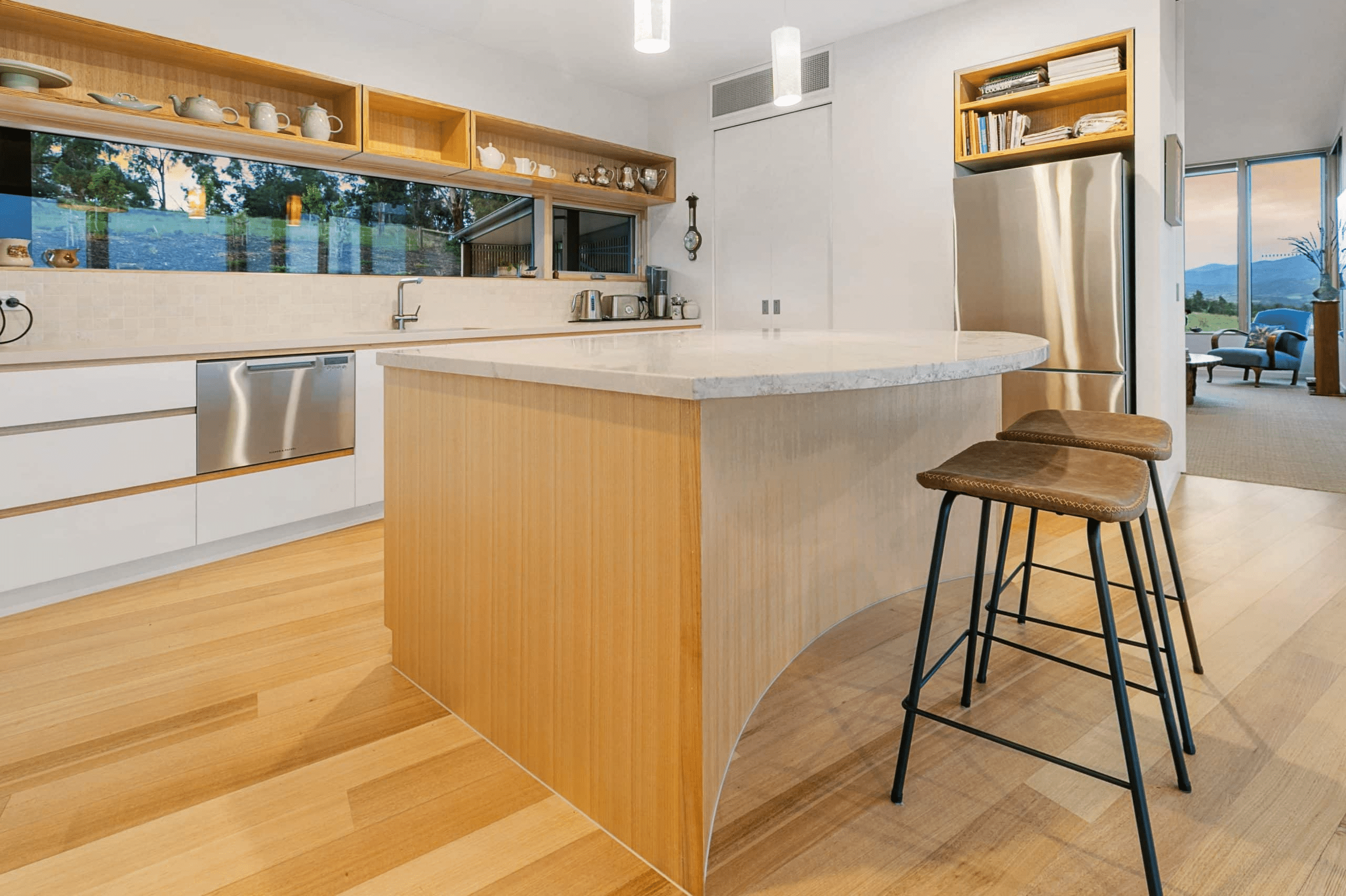
Trying to decide whether to renovate or rebuild? Melbourne homeowners face this question constantly. If your home no longer works for your family, you have three paths forward: renovate what exists, extend to add space, or knock down and rebuild from scratch. Each path costs differently, takes different timeframes, delivers different results, and suits different situations. The wrong choice can cost you $100,000 or more in wasted investment. The right choice depends on your home’s structural condition, your site’s potential, your budget, and what you actually need the home to become.
This guide gives you a decision framework, not a sales pitch. We build across all three categories in Melbourne’s eastern suburbs, so we have no incentive to steer you toward one over another. The best outcome is the one that matches your specific situation.
WANT AN INSTANT ONLINE ESTIMATE?
Renovate or Rebuild Melbourne: The Decision at a Glance
Factor | Renovate | Extend | Knock Down & Rebuild |
Best for | Homes with good bones and a layout that works with updates | Homes that work well but need more space | Homes that are structurally compromised or fundamentally wrong |
Typical cost (Melbourne eastern suburbs) | $150,000 to $500,000 | $250,000 to $700,000+ | $600,000 to $1.5M+ |
Timeline | 3 to 8 months | 6 to 12 months | 10 to 18 months |
Can you stay in the home? | Usually (with disruption) | Often partially | No |
Heritage overlay impact | Usually permissible | Usually permissible | May be restricted |
Result quality | Updated version of existing home | Existing home with added space | Completely new home |
Discovery risk | Moderate to high (what’s behind the walls?) | Moderate (connection point unknowns) | Low (new build on investigated site) |
Path 1: Renovate (Update What Exists)
When renovation makes sense:
- The existing layout works for your family (or needs only minor reconfiguration)
- The structure is sound (foundations stable, framing in good condition, roof watertight)
- You need updated finishes, not more space: new kitchen, bathrooms, flooring, paint
- Your budget is under $400,000
- You are in a heritage overlay area where external changes are restricted
- You love the home’s character and want to preserve it
When renovation does NOT make sense:
- The renovation would cost more than 50% of what a new build would cost
- The floor plan is fundamentally wrong (bedrooms where living should be, kitchen cut off from the family area)
- You need significantly more space (renovation rearranges existing space; it does not create new space)
- Structural issues are extensive (foundations moving, widespread rot, termite damage to framing)
- The home has serious weathertightness or moisture issues that require near-complete replacement of the envelope
Cost reality in Melbourne’s eastern suburbs:
Renovation Scope | Typical Range |
Kitchen renovation (high-spec) | $50,000 to $120,000 |
Bathroom renovation | $30,000 to $75,000 |
Full interior renovation (cosmetic + services) | $150,000 to $350,000 |
Full renovation including structural modifications | $300,000 to $500,000+ |
The renovation trap:
Renovation has an insidious cost problem: scope creep through discovery. You open a wall to relocate a power point and find termite damage. You pull up carpet to lay timber and discover the subfloor is rotting. Each discovery adds cost you did not budget for, and by the time you find it, the house is half-demolished and stopping is not an option.
The homes most at risk of renovation cost blowouts are 1960s to 1980s Melbourne brick veneer properties: behind the brickwork is often minimal insulation, galvanised steel pipes nearing end-of-life, original wiring that does not meet current standards, and sometimes asbestos products in wet areas.
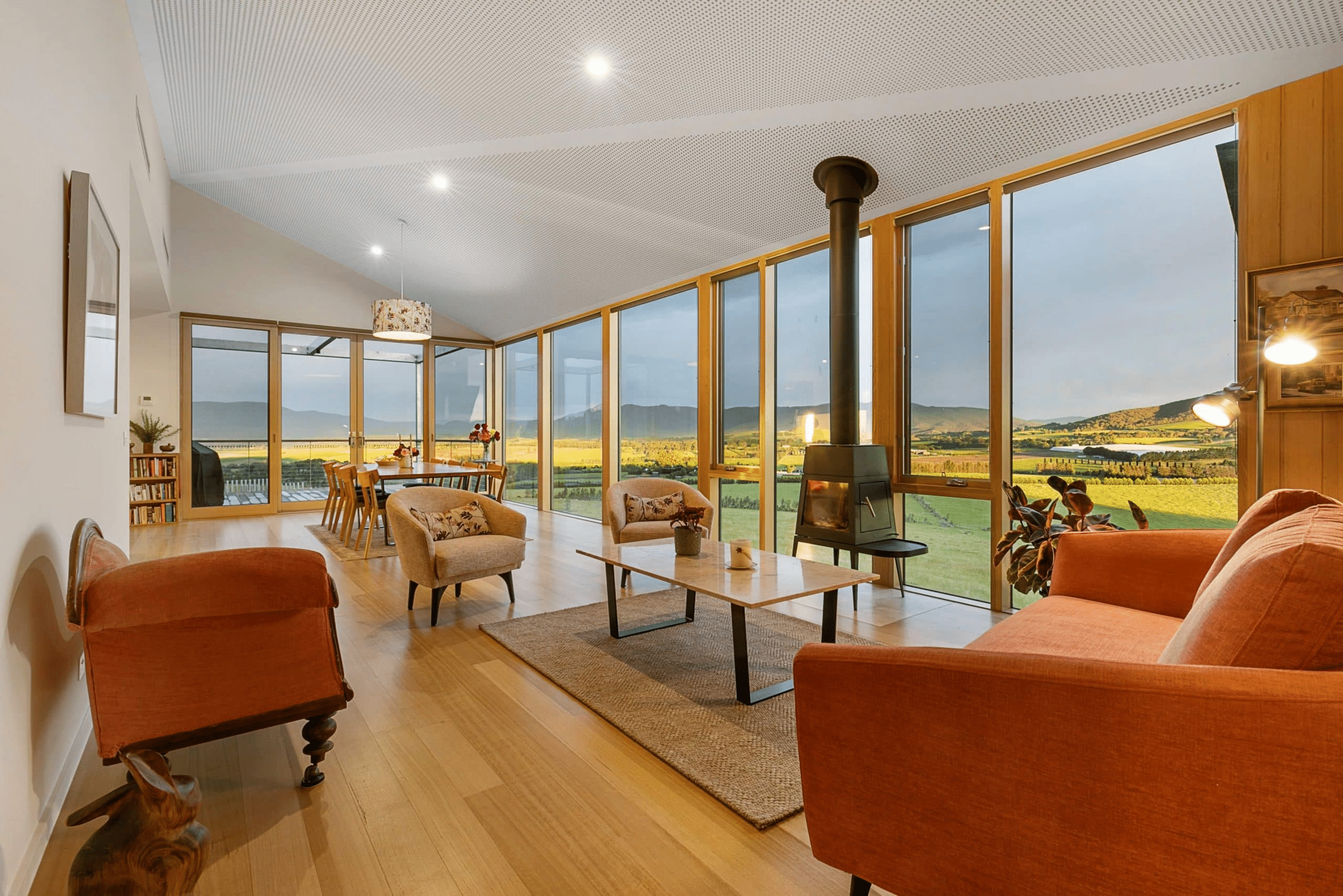
Path 2: Extend (Add Space to What Exists)
When extension makes sense:
- The existing home works well but you genuinely need more space
- Your block has room to expand (rear yard, side setback, or upward potential)
- The existing structure can support an addition (particularly important for upper-level extensions)
- You want to stay in the neighbourhood and your block’s location is the primary asset
- Your budget is $250,000 to $700,000+
When extension does NOT make sense:
- The existing home’s condition means connecting new to old creates more problems than it solves
- Site coverage limits are already maximised (no room to extend at ground level)
- Recession planes prevent a second storey (narrow lots with close neighbours)
- The cost of extending plus necessary renovation of the existing home exceeds rebuild cost
- The existing floor levels, structural grid, or foundation system make integration impractical
Cost reality:
Extension Type | Typical Range (Melbourne eastern suburbs) |
Ground-floor rear living extension (40 to 60 sqm) | $200,000 to $350,000 |
Second-storey addition (60 to 80 sqm) | $300,000 to $550,000 |
Ground floor + second storey combined | $400,000 to $700,000+ |
Granny flat / secondary dwelling | $200,000 to $350,000 |
The extension complexity:
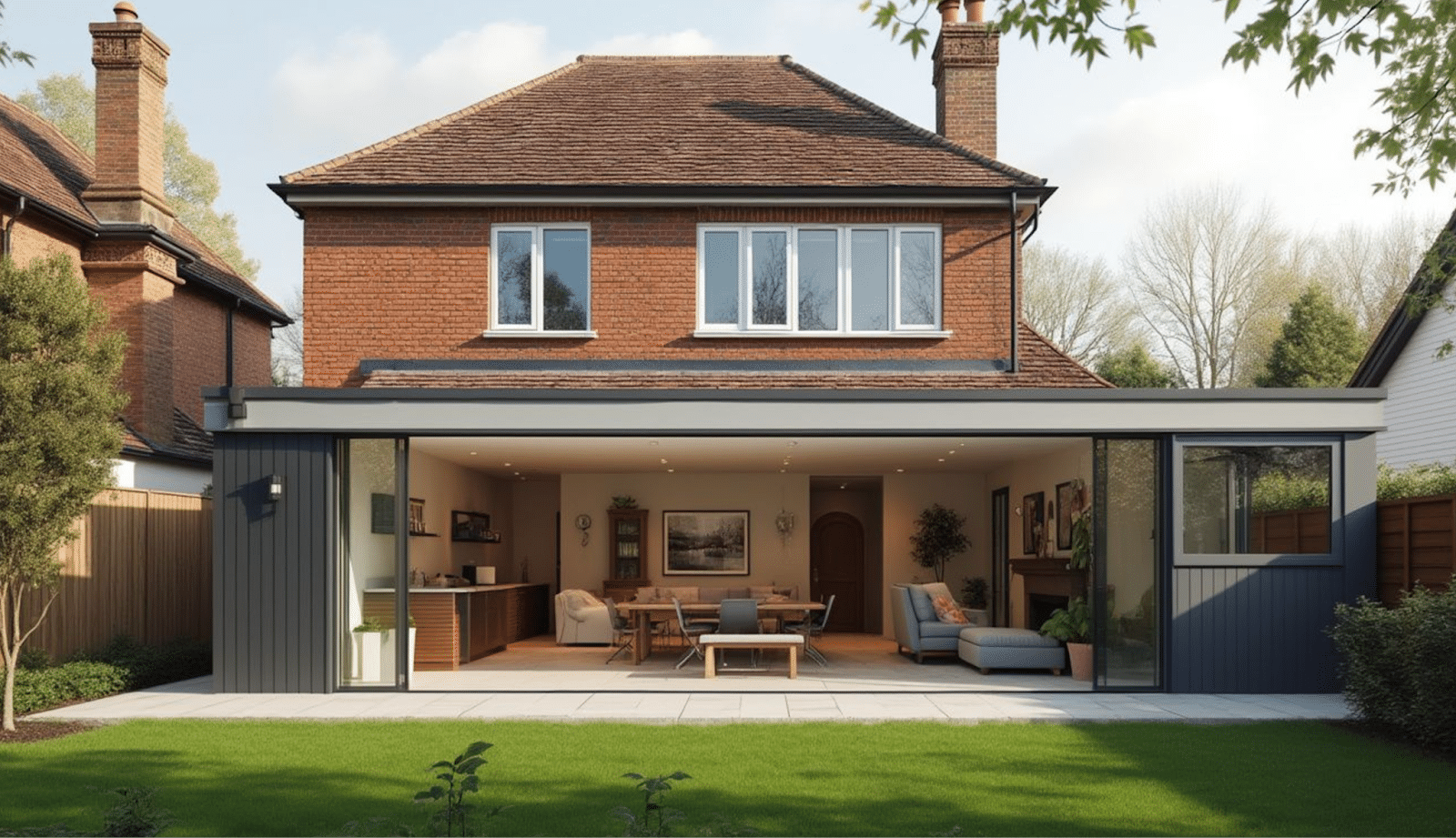
Extensions are technically the most complex of the three paths because you are connecting new construction to old. The junction between new and existing is where problems concentrate: different floor levels, incompatible framing systems, moisture pathways at the connection, and structural load transfer from new upper levels to existing (potentially inadequate) ground-floor framing.
A builder experienced in extensions (not just new builds) understands these connection challenges intimately. This is our core business at NPR Building Concepts. See our home extension services for how we approach these projects.
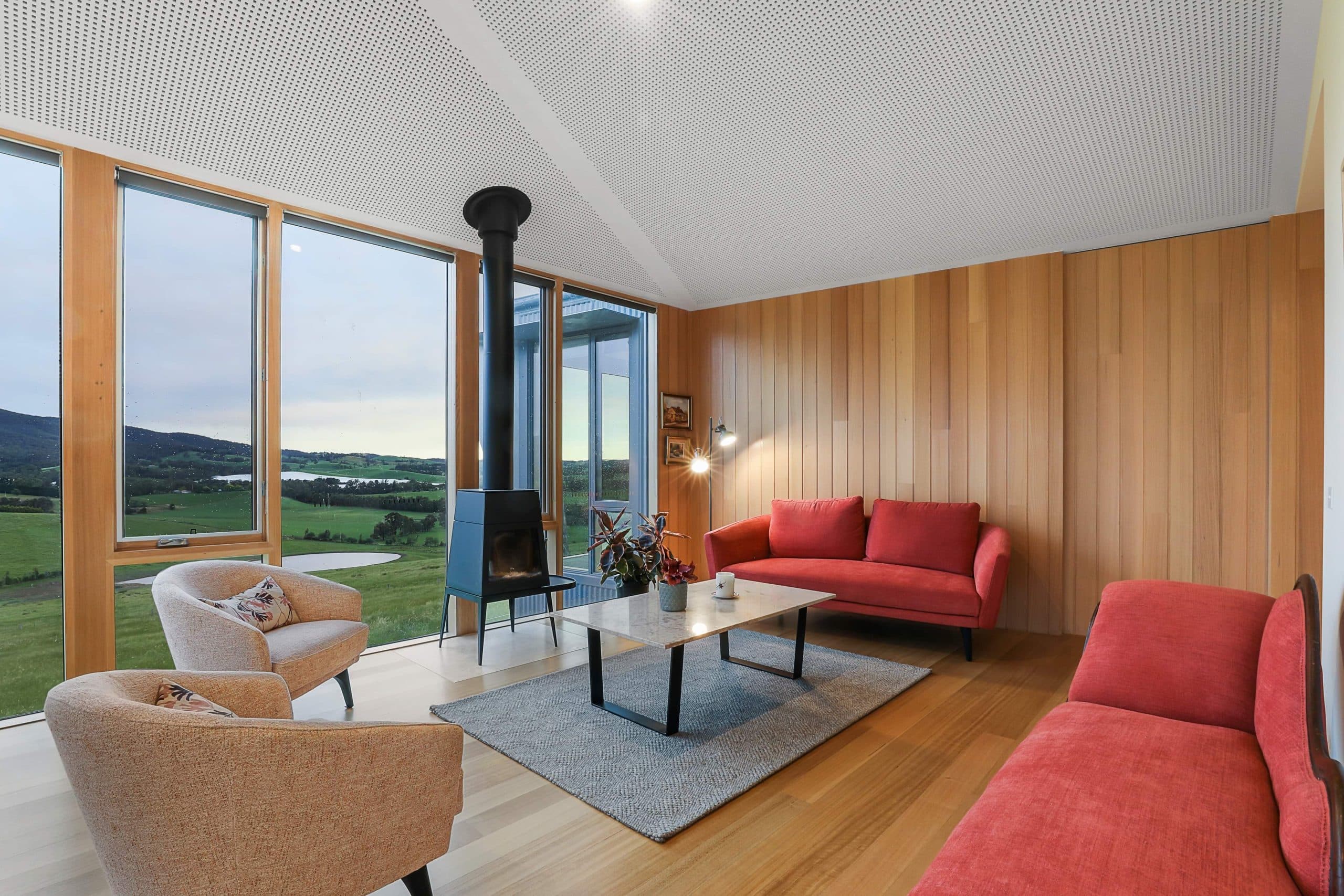
Path 3: Knock Down and Rebuild
When KDR makes sense:
- The existing home is structurally compromised beyond economic repair
- Renovation cost would exceed 60% of what a new build costs
- The floor plan is fundamentally wrong and cannot be fixed within the existing footprint
- You want a home that meets 2026 energy and performance standards throughout (not a patchwork)
- The land is the asset, not the building on it
- You have budget over $700,000 for the build alone
When KDR does NOT make sense:
- The home has heritage significance (heritage overlays may prevent demolition)
- The existing home has character worth preserving (period features, established gardens, mature trees)
- Your budget is under $700,000 total (KDR is rarely achievable below this in eastern Melbourne)
- You cannot vacate the property for 12 to 18 months
- The existing home’s problems can be solved for less than 50% of replacement cost
Cost reality:
KDR Component | Typical Range |
Demolition (including asbestos if present) | $30,000 to $70,000 |
New home construction (200 sqm, mid to high spec) | $600,000 to $1,200,000 |
Site works, landscaping, driveway | $50,000 to $120,000 |
Professional fees and approvals | $40,000 to $80,000 |
Temporary accommodation (12 to 18 months) | $40,000 to $70,000 |
Total | $760,000 to $1,540,000 |
The 50% Rule: A Simple Decision Framework
If your renovation or extension would cost more than 50 to 60% of what a complete new build would cost on the same site, rebuild almost always delivers better value. You get:
- A home with a 30 to 50 year lifespan before major maintenance
- Full compliance with current energy efficiency standards
- No discovery risk (new build on investigated site)
- Modern services, insulation, and weathertightness throughout
- A design specifically suited to your family rather than adapted from someone else’s decisions
Below 50%, renovation or extension usually makes more sense because you get the improvement you need at significantly lower cost than starting from scratch.
How to Decide: The Assessment Process
Step 1: Structural assessment ($2,000 to $5,000)
Engage a building inspector or structural engineer to assess the existing home’s condition. This tells you what you are working with: sound structure that can support renovation/extension, or compromised structure where new work will inherit old problems.
Step 2: Site assessment (free with NPR)
We visit your property and assess: extension potential (setbacks, coverage, height limits), demolition feasibility (heritage overlays, tree protections), and site-specific cost drivers (slope, access, services).
Step 3: Budget alignment
With structural information and site constraints understood, we provide indicative costs for each viable path. This allows you to compare renovation vs extension vs rebuild for YOUR specific property, not generic averages.
Step 4: Decision
With real numbers for each path, the decision becomes clear. If renovation solves your problem for $250,000 and rebuild costs $1.1 million, renovate. If renovation barely improves the situation at $400,000 and rebuild delivers your dream home at $900,000, rebuild. The numbers make the decision for you.
Frequently Asked Questions
Can I do a partial rebuild? Renovate some, demolish and rebuild other parts?
Does heritage overlay prevent a knockdown rebuild?
How do I know if my home’s structure is sound?
Which path adds the most value to my property?
Can NPR help me decide which path to take?
Ready to Assess Your Options?
The decision between renovate, extend, or rebuild is too important to guess. Book a free consultation and let us assess your specific situation: your home’s condition, your site’s potential, and your budget reality.
We serve homeowners across Melbourne’s eastern suburbs including Doncaster East, Ringwood, Croydon, Kilsyth, Mitcham, and surrounding areas.